


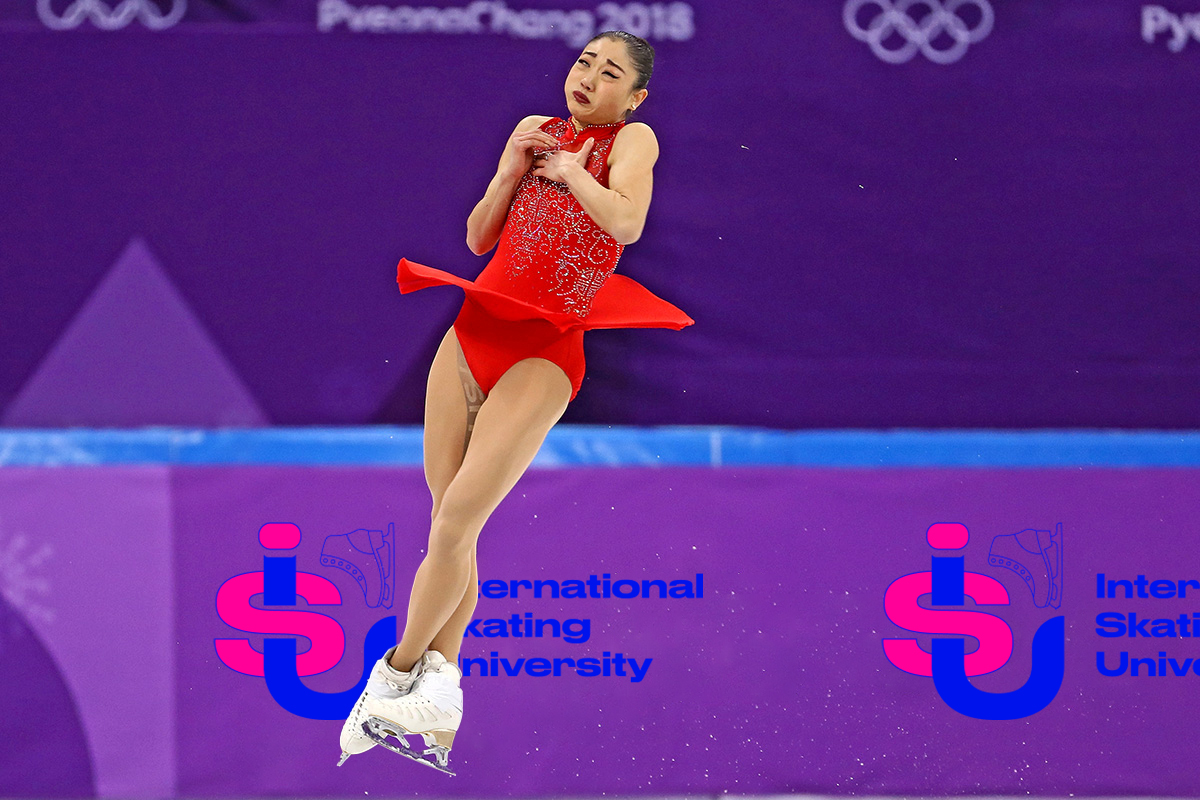
The Axel is a compulsory element in singles skating. At the adult level, both men and women are required to perform one double or triple Axel in the short and free programs. The base value of a single triple Axel, according to the current rules, is 8 points (12 with maximum bonuses).
Axel is an edge jump performed in figure skating. It is the sport’s oldest and most difficult jump. For beginners, it’s easiest to recognize and distinguish the Axel from other jumps because it’s the only jump entered facing forward. This unique entry is what adds those extra half-turns in the air, making this element challenging.
Even if you don’t count the rotations in real-time, distinguishing a triple Axel from a double can be done without slow-motion replay. During the execution of the more challenging element, there is a sensation that the skater literally “hangs” in the air. Also, due to the need to quickly gather, some skaters achieve a lower height on the triple Axel compared to the double.
A popular advanced entry to the jump, earning additional points, is the “Spread eagle” entry.
The first triple Axel was performed by Japanese skater Midori Ito in 1988. According to current rules, female skaters who include the triple Axel in their repertoire have an advantage in the short program over those who only perform quadruple jumps as “ultra-c” elements.
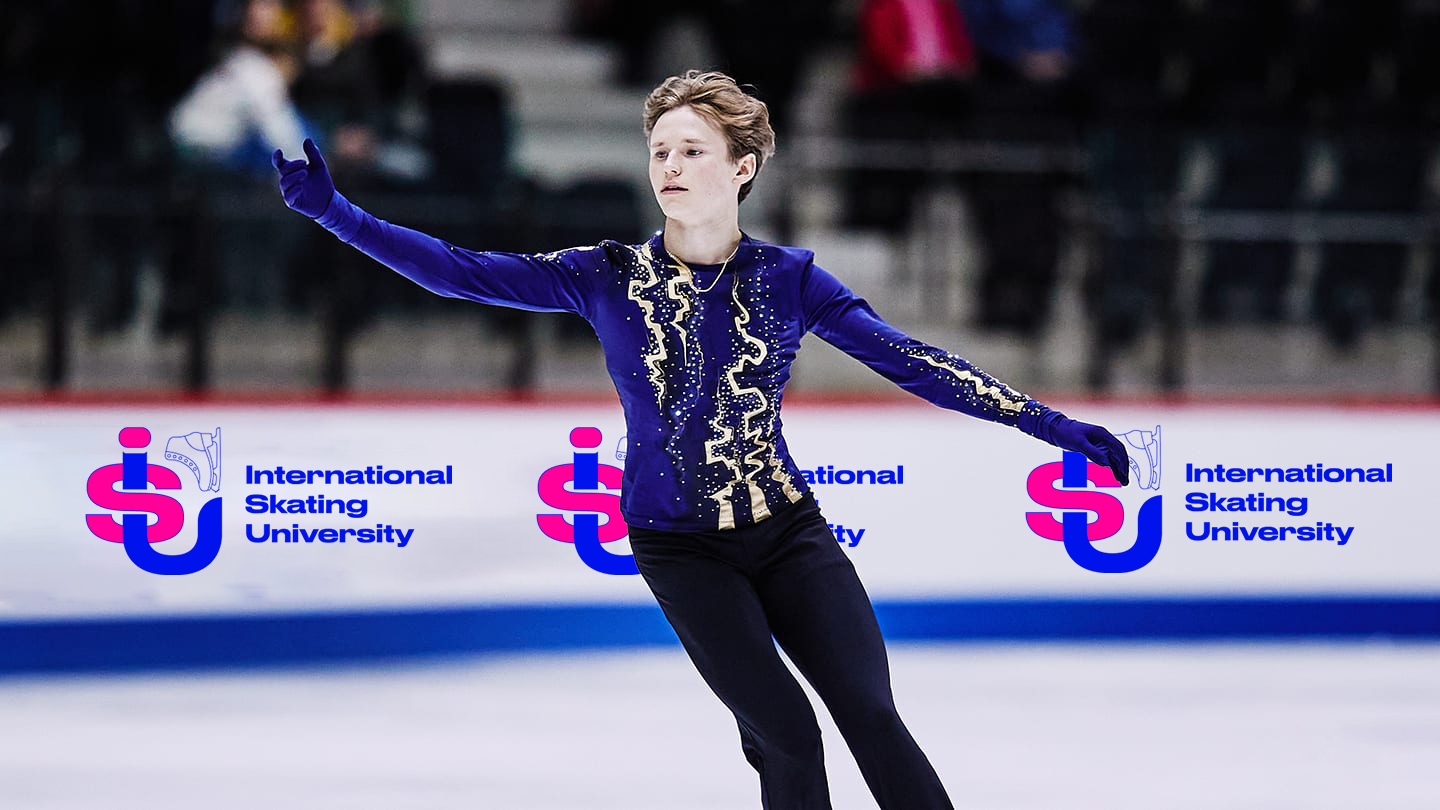
The quadruple Axel is an element recognized by ISU rules and is evaluated without bonuses at 12.50 points. The only skater who has successfully executed it is Ilia Malinin.
At International Skating University, we recognize the ambition to conquer the Axel. Our expert coaches provide specialized training to swiftly advance your Axel jumps. Join us in mastering this intricate element and elevating your figure skating journey to new heights!